Class, scandal, and the women of Cliveden
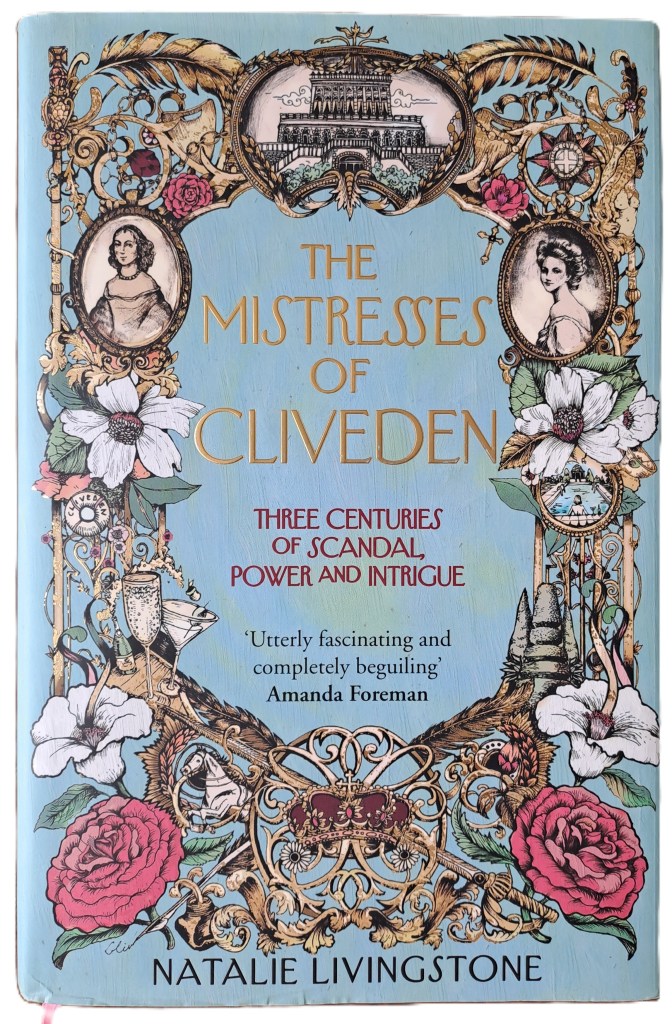
Growing up in a house with no books, my reading material was a scrappy British newspaper called the Daily Mirror. British newspapers were targeted according to class and intelligence, and the public understanding was simple: if you were working class, you read the Mirror and voted Labour; if you were upper class, you read The Times or The Telegraph and voted Conservative. There wasn’t much room for manoeuvre.
Sitting alone at the kitchen table sometime in mid‑1963, I first read about something called “The Profumo Scandal”. The Mirror was all scandal and sensationalism, and I grew up on stories of “Scandal, Power and Intrigue” — the same words that appear on the cover of The Mistresses of Cliveden. The book opens with Christine Keeler meeting John Profumo and swimming in the pool at Cliveden. As a child, I didn’t understand the details, but I understood this much: Christine Keeler was working class, and her presence in the scandal sheets gave me a glimpse into upper‑class goings‑on in places like Cliveden, even if most people “like us” were supposed to stay below stairs. It was a collision of sex, class, politics, and power that almost brought down a government.
Cliveden was the backdrop to that moment — a house that has seen centuries of women navigating power, desire, and danger. I may not remember the book’s details, but I remember the atmosphere: women shaping history from the margins, rooms absorbing the consequences.
The book itself is a three‑century biography of a house, told through the women who shaped it. Five “mistresses” who used Cliveden as a stage for influence, scandal, and reinvention. And the word “mistress” is doing double duty here: Christine Keeler was called a mistress as a way to diminish her, while the “mistresses” of Cliveden were society women whose status demanded respect. Same word, opposite meanings — a neat summary of English class logic.
Whichever side of the tracks these women came from, the book is about domestic space as power, home as meaning, and identity. A layered narrative, much like the story of Christine Keeler, which still echoes through TV series, films, songs, and books. Together, the five mistresses of Cliveden and the story of Keeler remind me that history is never tidy.
I don’t remember the details of this book, but I remember being drawn to the class clash I grew up with — the constant reminders to “know your place” and “not get ideas above your station”. Christine Keeler knew her place and refused to stay in it. She was vilified for it. I can recognise that.
Maybe that’s why the book survived every bookcase cull. Not because I remember it, but because it sits at the intersection of the things I return to again and again: domesticity as power, women’s lives as history, and the way a house can become a witness.
 Queer After Everything